

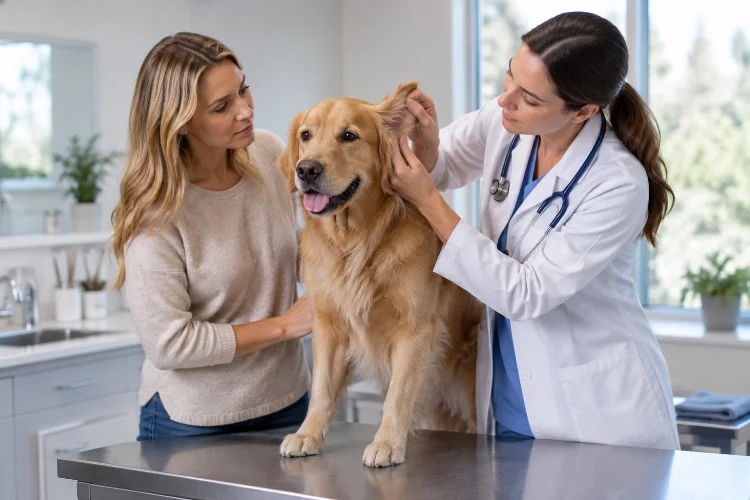
Dogs cannot tell us when something feels wrong, which means owners often have to notice the small changes first.
Maybe your dog suddenly starts scratching constantly, refuses breakfast, shakes their head more than usual, or seems slower when getting up from the floor.
Some symptoms are minor and disappear quickly, while others can be early warnings of a more serious condition.
Understanding the common health problems in dogs can help you recognise those changes earlier and know when professional veterinary attention is needed.
Many canine illnesses are manageable when detected early. Regular veterinary examinations, dental care, parasite prevention, appropriate nutrition, exercise, and simply paying attention to your dog’s normal behaviour can make a major difference.
Of course, symptoms such as vomiting or itching can have dozens of possible causes, so they should not be treated as a diagnosis by themselves. Instead, think of the signs below as clues that can help you decide when it is time to call your veterinarian.
1. Skin Problems and Allergies
Itching is one of the most obvious signs that something is irritating your dog’s skin. You may notice frequent scratching, paw licking, redness, hair loss, flaky skin, unusual smells, or areas that look sore.
Skin problems can develop from environmental allergies, food reactions, fleas, mites, bacterial infections, or yeast overgrowth.
Merck Veterinary Manual notes that dermatitis in dogs can have many causes, including allergens, parasites, infections, external irritants, and underlying systemic disease.
A little scratching is normal, but constant itching deserves attention. Repeated scratching and licking can damage the skin barrier and create secondary infections.
Avoid experimenting with several shampoos, supplements, or medications at once. Identifying the underlying cause is usually more useful than simply trying to stop the itching.
2. Ear Infections
Ear infections are another frequent canine health complaint, particularly in dogs with floppy, hairy, or narrow ear canals.
Typical warning signs include head shaking, scratching at the ears, redness, discharge, sensitivity, and a noticeable smell. VCA Animal Hospitals describes otitis externa, or infection of the external ear canal, as one of the most common infections seen in dogs.
Moisture, allergies, yeast, bacteria, and other underlying conditions may all contribute.
Do not automatically pour household products or leftover ear medication into the ear. Different causes require different treatment, and an irritated or damaged ear canal may become worse with inappropriate products.
If your dog repeatedly develops ear infections, the veterinarian may also investigate allergies or another condition that is making the ears more vulnerable.
3. Vomiting and Diarrhea
Most dog owners eventually experience the unpleasant surprise of waking up to vomit or diarrhea on the floor.
Digestive upset can happen after a dog eats something unusual, changes food too quickly, becomes infected with parasites, or develops irritation in the stomach or intestines.
More serious causes can include foreign objects, toxins, pancreatitis, infections, and diseases affecting organs outside the digestive system.
An otherwise healthy dog may occassionally have a mild stomach upset that resolves quickly. Persistent symptoms are different.
Contact a veterinarian if vomiting or diarrhea is repeated, contains blood, is accompanied by severe lethargy, abdominal pain, bloating, dehydration, collapse, or refusal to eat and drink.
Puppies, senior dogs, and dogs with existing medical conditions can become dehydrated particularly quickly.
4. Dental and Gum Disease
Bad breath may seem like a normal part of living with a dog, but strong persistent odour can actually signal dental disease.
Plaque develops on the teeth and can lead to gingivitis and periodontal disease. Cornell University reports that an estimated 80-90% of dogs over three years old have some degree of periodontal disease, making it one of the most widespread health issues in dogs.
Signs can include bad breath, red gums, difficulty chewing, dropping food, pawing at the mouth, excessive drooling, or reluctance to eat hard food.
Daily tooth brushing with dog-safe toothpaste is one of the most useful preventive habits owners can establish. Veterinary dental examinations and professional cleanings may also be recommended depending on the dog’s oral health.
Dental disease is not purely cosmetic. Advanced disease can cause significant pain, inflamation, infection, and tooth loss.
5. Obesity and Excess Weight
Extra weight can creep onto a dog slowly, especially when treats, table scraps, and slightly oversized meals become part of everyday life.
Obesity is more than an appearance issue. Excess body fat is associated with reduced quality of life and can worsen conditions involving joints, mobility, breathing, and other body systems.
Merck Veterinary Manual also links obesity with chronic inflammation, exercise intolerance, musculoskeletal problems, and several other health concerns.
One practical way to monitor weight is through body condition rather than numbers alone. Ideally, you should generally be able to feel your dog’s ribs without pressing through a thick layer of fat, while a visible waist should be present when viewed from above.
AAHA recommends veterinary assessment before beginning a weight-loss programme, particularly because medical conditions can sometimes contribute to unexpected weight gain.
Measured meals and consistent exercise are usually far more reliable than guessing portions.
6. Joint Problems and Osteoarthritis
If your dog becomes slower on walks or hesitates before climbing stairs, do not automatically assume they are “just getting old.”
Osteoarthritis is a chronic joint condition that causes pain, inflammation, cartilage deterioration, and reduced mobility.
Although it is commonly associated with older dogs, Cornell notes that osteoarthritis can develop at any age, particularly when factors such as obesity or existing orthopaedic problems are involved.
Signs may be subtle. A dog might become reluctant to jump into the car, take longer to stand up, avoid certain activities, or seem stiff after resting.
Weight control can play an important role in managing joint stress. Depending on the individual dog, treatment may also involve veterinary pain management, rehabilitation, controlled exercise, environmental changes, or other therapies.
Do not give human painkillers without veterinary guidance, as some commonly used medications for people can be dangerous to dogs.
7. Fleas, Ticks, Worms, and Other Parasites
Parasites may be tiny, but the problems they cause can be anything but small.
Fleas can trigger itching and allergic skin reactions, while ticks can transmit infectious diseases. Intestinal worms may cause digestive problems, weight loss, poor coat condition, or other symptoms, although some infected dogs show very few obvious signs.
Heartworm deserves particular attention because it can cause serious damage to the heart and blood vessels. The Companion Animal Parasite Council recommends year-round broad-spectrum parasite protection and annual heartworm testing for dogs.
The exact parasite risks depend heavily on location, climate, travel, lifestyle, and local disease prevalence.
Talk to your veterinarian about the most appropriate prevention schedule rather than assuming every dog needs exactly the same product or routine.
8. Why Routine Veterinary Checkups Matter
One of the difficulties with canine disease is that dogs can hide discomfort surprisingly well.
A dog may still wag its tail, eat reasonably normally, and greet you at the door while developing dental disease, joint pain, weight problems, or another condition.
Routine examinations allow a veterinarian to monitor changes in weight, teeth, skin, ears, heart, joints, and overall body condition before obvious symptoms appear.
Preventive visits are also a good opportunity to review vaccines, parasite control, nutrition, and dental maintainance.
Keep your own observations too. Changes in appetite, drinking, urination, bowel movements, activity, sleep, behaviour, breathing, or body weight can provide useful clues.
You know what is normal for your dog, so seemingly small changes are worth paying attention to.
When Should You Call a Veterinarian?
Not every sneeze requires an emergency visit, but some signs should be taken seriously.
Seek veterinary advice promptly if your dog has difficulty breathing, collapses, experiences seizures, develops a swollen or painful abdomen, cannot urinate, has significant bleeding, repeatedly vomits, eats a known toxin, or suddenly becomes extremely weak.
You should also contact your veterinarian when a less dramatic symptom keeps returning or simply does not improve.
The key is to remeber that duration and severity matter. A single mild symptom may be harmless, while the same symptom combined with pain, weakness, dehydration, or major behavioural changes may indicate something much more urgent.
Understanding the common health problems in dogs gives you a better chance of noticing trouble before it becomes severe.
Skin conditions, ear infections, digestive problems, dental disease, obesity, arthritis, and parasites are all issues dog owners may encounter at some point.
Prevention remains one of the most useful tools available. Keep your dog at a healthy weight, maintain dental and parasite care, provide appropriate exercise, and pay attention to changes in everyday behaviour.
Most importantly, do not wait for symptoms to become extreme before asking questions. Schedule regular veterinary checkups and contact your veterinarian whenever something seems unusual or persistent.
Catching a problem early can often make treatment simpler and help your dog stay comfortable, active, and healthy for longer.