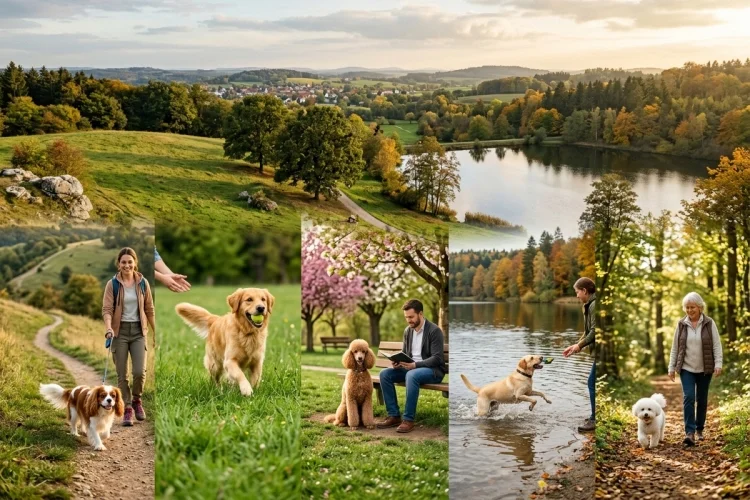
Bringing home your first dog is exciting, but choosing one can feel surprisingly complicated. Every adorable puppy seems perfect until you start thinking about daily walks, training, shedding, grooming appointments, veterinary bills, and how long the dog can comfortably stay alone.
The best dog breeds for first-time owners are generally sociable, responsive to training, adaptable, and manageable for the owner’s lifestyle.
However, no breed comes with an “easy mode.” Even a naturally friendly dog needs exercise, positive training, healthcare, companionship, and plenty of patience. It is also important to remember that breed only provides a rough guide.
Two dogs of the same breed can have completely different personalities, confidence levels, and energy requirements. The right choice depends on your home, schedule, budget, experience, and willingness to learn.
Below are five beginner-friendly dog breeds worth considering, along with the practical realities of living with each one.
What Makes a Dog Suitable for a First-Time Owner?
Beginner-friendly dogs are often eager to cooperate and reasonably forgiving when their owner makes small training mistakes. They should still be taught household rules, lead manners, recall, toilet habits, and calm behaviour around people and other animals.
Energy level matters just as much as temperament. A highly intelligent working dog may learn commands quickly, but it can also become frustrated if its owner cannot provide enough physical activity and mental stimulation.
Grooming, size, health risks, and separation needs also affect how manageable a dog will be. Blue Cross advises new owners to prepare for socialisation, veterinary care, reward-based training, and major changes to their daily routine.
Dogs are social animals, and time spent alone should be introduced gradually rather than suddenly.
1. Labrador Retriever: Friendly and Eager to Learn
Labrador Retrievers are often recommended to inexperienced owners because they are affectionate, people-focused, and generally enthusiastic about training. They tend to respond well to food rewards, toys, praise, and games involving retrieving.
A Labrador may be an excellent match for an active family that enjoys walking, outdoor trips, swimming, or playing in the garden. Their short coat is relatively simple to maintain, with regular brushing usually enough to remove loose hair.
The main challenge is energy. Labradors need plenty of daily exercise and mental enrichment, including walking, running, searching, playing, and training. A bored young Labrador can become noisy, destructive, or overly excitable.
They can also be prone to obesity, hip dysplasia, elbow dysplasia, and certain inherited eye conditions. Anyone buying a puppy should request evidence that the parents received the recommended health screening.
Best suited to: Active households with enough space, time, and patience for a large, energetic dog.
2. Golden Retriever: Gentle but More Active Than It Looks
Golden Retrievers have a reputation for being gentle, intelligent, and affectionate. Their willingness to interact with people can make training enjoyable for a new owner, especially when lessons are positive and consistent.
They usually enjoy family activities and can adapt well to homes with children when properly socialised. However, their calm expression can be misleading because Golden Retrievers are active gundogs rather than oversized lap dogs.
PDSA recommends around two hours of daily exercise for an adult Golden Retriever. Training games, scent activities, retrieving sessions, and varied walks can help satisfy both their physical and mental needs.
Their medium-length coat also needs regular brushing, particularly around the ears, legs, and tail. Owners should be prepared for shedding and muddy fur after wet walks.
Health screening is essential because the breed can be affected by hip and elbow dysplasia, eye conditions, skin problems, and excess weight. PDSA describes them as potentially good first dogs, provided the owner understands the demands of caring for a large, energetic breed.
Best suited to: Active families wanting an affectionate, trainable companion and willing to handle regular grooming.
3. Toy or Miniature Poodle: Clever and Adaptable
Poodles are sometimes viewed as glamorous show dogs, but underneath the stylish coat is an intelligent working breed. Their ancestors were water retrievers, which helps explain their alertness, athleticism, and strong ability to learn.
Toy and Miniature Poodles can be practical choices for first-time owners living in smaller homes. They are compact, adaptable, and usually enjoy learning tricks, basic obedience, and interactive games.
Their intelligence does mean they need mental stimulation. Repeating the same short walk every day may not be enough, so introduce puzzle toys, scent games, new routes, and brief training sessions.
The coat sheds very little, but that does not make grooming effortless. Poodles require frequent brushing and professional trimming to prevent knots and matting.
The Royal Kennel Club lists daily grooming and up to one hour of exercise for the Toy Poodle, while also recommending relevant DNA and eye screening for breeding dogs.
Best suited to: Owners wanting a small, highly trainable dog who can commit to regular coat maintenance.
4. Bichon Frise: Cheerful and Companion-Oriented
The Bichon Frise is a small companion breed known for its lively personality and strong attachment to people. Its manageable size makes it suitable for flats and smaller houses, provided it still receives daily walks, play, and enrichment.
Bichons are often affectionate and sociable with family members, children, and other pets. Their playful nature can make them enjoyable for beginners who want an interactive dog without the strength or exercise requirements of a large retriever.
However, they do not enjoy being ignored for long periods. A Bichon may struggle in a household where everyone is away throughout the day.
The fluffy white coat also requires serious maintenance. Daily brushing and professional trimming every few months are usually needed.
Potential health concerns include slipping kneecaps, allergies, cataracts, bladder stones, and diabetes, so responsible breeding and veterinary care remain important.
Best suited to: People who spend plenty of time at home and want a small, affectionate companion.
5. Whippet: Calm at Home and Fast Outdoors
A Whippet can be a great choice for someone who wants a medium-sized dog with a relatively simple coat. These gentle sighthounds are often calm indoors and happy to curl up on a sofa after getting enough exercise.
Their short fur generally needs only a weekly brush, making them easier to maintain than long-haired breeds. They are also not typically known for constant barking.
Whippets still require around an hour of exercise each day and regular opportunities to run in a securely enclosed area. Their instinct to chase can be powerful, so reliable recall may take time and they should not be allowed off-lead near roads or unsecured spaces.
Training requires patience because some Whippets are sensitive and less eager to repeat commands than retrievers or Poodles. Positive, consistent methods work better than pressure or punishment.
They can form very close bonds with their owners and may dislike being left alone. PDSA considers them suitable for patient first-time owners but warns about their prey drive, delicate skin, and need for early socialisation.
Best suited to: Calm households that can provide secure exercise and plenty of companionship.
Should a First-Time Owner Choose a Puppy or Adult Dog?
A puppy may be adorable, but it requires toilet training, socialisation, supervision, night-time routines, and help learning how to be alone. Young dogs may chew furniture, wake early, have accidents, and test boundaries for months.
An adult rescue dog can sometimes be easier because its size and basic personality are already visible. Rescue staff may also know whether the dog is comfortable with children, other pets, visitors, or quiet homes.
Breed should not be your only deciding factor. The RSPCA recommends choosing according to health, individual behaviour, positive interactions, and compatibility with your lifestyle rather than appearance alone.
How to Choose Your First Dog Responsibly
Start by being honest about your normal week. Consider how many hours the dog would be alone, who will provide walks, whether you can afford grooming, and how much training you can realistically complete.
Meet adult examples of the breed whenever possible. A tiny puppy does not show you how large, strong, vocal, or energetic it may become.
When buying from a breeder, see the puppy with its mother, inspect the living environment, and request documented health-test results. Avoid sellers who rush the decision, refuse visits, offer several unrelated breeds, or suggest meeting in a car park.
Adoption is another valuable option. A reputable rescue organisation can help match you with an individual dog whose temperament and needs suit a beginner.
The best dog breeds for first-time owners include Labrador Retrievers, Golden Retrievers, Poodles, Bichon Frises, and Whippets. Each offers appealing qualities, from trainability and affection to manageable size or simple coat care.
Still, no dog is automatically easy. Labradors and Goldens need considerable exercise, Poodles and Bichons require regular grooming, and Whippets need secure places to run.
Your schedule, budget, home, and activity level should guide the decision more than popularity or appearance. Before bringing a dog home, speak with breeders, rescue workers, veterinarians, and experienced owners.
Meet several dogs, review the health information carefully, and choose the companion whose real needs match the life you can confidently provide.